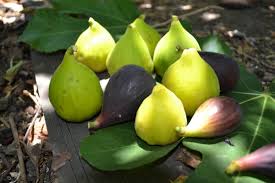

Fig trees appear from a distance in a tranquil garden in southern Italy. Their broad leaves still shade the dry soil. But a grower lifts a branch and the problem becomes clear. Some fruit has fallen early. Others are sunburned or shredded. Where last year’s harvest should have been, some trees show little growth. This is what the actual loss of the Italian fig crop looks like—it doesn’t seem like much at first glance, but it’s a cause for great concern for those who depend on the crop.
Figs in Italy aren’t just a seasonal fruit. Local markets, foreign markets, and small family farms, run for generations, distinguish the region. It expands more rapidly when the harvest is low. Wholesale costs fluctuate. Processors are failing to supply dried jams and figs. Even home gardeners are starting to wonder why their backyard tree isn’t producing as much fruit as before.
In this guide, you’ll learn what the Italian fig crop failure really means, what causes it, which areas are most affected, and how growers and home gardeners should respond. We’ll focus on weather patterns, drought stress, insects, disease, and practical prevention methods that can reduce the risk in future seasons.
A Quick Definition and What “Crop Loss” Looks Like in Real Life
Crop loss in fig production doesn’t always mean complete failure. It’s often a sign of low yields, poor fruit quality, or different harvest times. You may see a lot of fruit drop before they ripen. Rain can cause some figs to crack. Sunburn marks on others make them unmarketable. In most cases, fungal rot spreads to ripening fruit or causes entire branches to break.
Italian fig production also has two distinct harvest times. The early crop, called breba or “fioroni,” grows on the previous year’s wood. The main crop grows later in the summer on new shoots. One crop of Italian figs may be damaged, but the other crop can be saved. For example, a late frost can damage the breba fruit while the main crop is still growing well. Conversely, even if production is good in spring, a severe drought in summer can reduce the main crop.
Farmers are helped to determine the cause when they know which crop is affected. Often, the first clue is the timing.
Where are figs grown in Italy (and why most figs are grown in the south)
Most of Italy’s fig production occurs in the southern regions. Apulia is famous for its large commercial orchards and dried fig cultivation. Sicily and Calabria also grow a lot of figs, but Campania supports both local consumption and specialty varieties. The south is still the main production area, although there are smaller plantings in the center.
Geography is very important. Edge orchards may suffer from salt stress or strong winds, but the sea breeze reduces much of the heat. The innermost hills may suffer during prolonged droughts, but they often have good drainage and reasonable temperatures. Water access varies from farm to farm.
In recent seasons, some parts of Apulia have experienced severe frosts during early harvest time, causing significant damage to some orchards in spring. This has made the loss of the Italian fig crop a national agricultural concern rather than a local issue.
The weather pattern of recent losses
The loss of the Italian fig crop often begins with a mild winter. Trees emerge from dormancy, begin to flower, buds swell, and then flowers begin to form. Then comes a late frost. Breba fruit can also be damaged by brief frosts, reducing the initial harvest.
Rapid warming later in the season causes a different kind of stress. Temperatures rise rapidly during fruit flowering, causing figs to ripen quickly. This shortens harvest time and causes fruit drop. Harvesting can be difficult before the fruit over ripens.
Heavy rains followed by prolonged droughts are another threat. Fruits absorb water quickly, causing them to crack and increasing fungal pressure. These hot, dry, and then wet cycles have become more frequent in some areas of Italy, putting more stress on fig orchards and other crops.
Drought Pain: Silently Reducing Yields
Figs are often drought-tolerant trees. They can survive in dry environments better than many fruit crops, but survival is different from commercial yields. Trees reduce fruit size to conserve water during prolonged drought. This results in smaller figs, lower sugar content, and sometimes early fruit drop.
The following season is also affected by drought. When trees endure a dry year, they may have fewer buds and fruit the following year. This late effect is a hidden factor contributing to the loss of the Italian fig crop.
Sicily and Sardinia have experienced severe drought conditions in recent years, putting pressure on water reserves. Reducing water allocation can also harm irrigated orchards. In these circumstances, yield reductions are inevitable.
Guide to Survival in Home Gardens and Small Orchards
I’ll start with the basics of saving a fig tree on a budget. First, I’ll maintain moisture in the soil by adding compost and mulch. This simple measure reduces water loss and improves fruit quality.
Thin white latex paint can protect the trunk from sunburn. Unopened fruit can be protected without enclosing the tree with cloth during summer afternoons. In very stressful weather, removing excess fruit can cause the tree to produce fewer, better figs.
Timing is crucial when using netting. Applying it too early can trap moisture and increase the risk for fungal growth. It’s best to remove the netting immediately after ripening.
Common mistakes are overwatering, which can cause fruit to crack, and excessive pruning in summer, which exposes the fruit to direct sunlight. Many of the problems associated with losing Italian figs at home are often remedied with simple, consistent care.
Conclusion
Loss of Italian figs is very rare. Prolonged drought, rapidly spreading pests, weather shocks, and disease pressure all make this extremely difficult. Because the causes are multi-layered, solutions must also be multi-layered.
Better monitoring, improved irrigation, careful canopy management, and prompt response to biological threats can significantly reduce the risk. Farmers can protect both yield and quality, but climate change brings new challenges. Farmers who adapt with practical, field-tested methods can succeed.
The future of the Italian fig crop will depend on awareness and action. Italian fig orchards can remain productive and robust even under changing conditions with proper management and continuous research.
FAQs:
- What are the reasons for the recent decline in the Italian fig crop?
The main reasons include extreme weather changes, prolonged droughts, heat waves, harmful pests like the black weevil, and the increase in fungal diseases following heavy rains.
- Which areas of Italy are most affected by fig crop losses?
Southern regions, such as Apulia, Sicily, Calabria, and Campania, are most affected by high temperatures, water scarcity, and weather changes.
- Can fig trees recover after a poor harvest season?
In fact, healthy trees can recover if the stress is properly managed the following season through balanced irrigation, pruning, soil improvement, and insect monitoring.
- Specifically, how does drought affect fig yields?
Dry trees experience reduced sugar content, smaller fruit, fruit drop, and a reduced ability to produce a good harvest the following year.
- What are the first signs of insect damage to a fig tree?
Look for holes in the trunk, sawdust-like residue near the base, sudden twig wilting, reduced leaf growth, and fruit drop.