
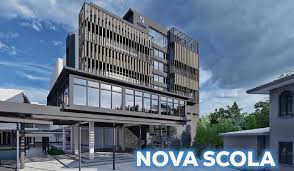

Nova Schola isn’t just a name; it’s an action that’s completely transforming the education landscape. It’s an example for teachers and students because it’s committed to innovation and new ways of teaching. Nova Schola boldly embraces creativity and the ability to adapt in a world where traditional methods often fall short. Nova Schola creates an environment that fosters curiosity, trust, and lifelong learning. As we explore what makes Nova Schola so different, you’ll see how the institution has risen to the challenges of innovative education and set new standards in education. Get ready to discover new life-changing approaches—one classroom at a time!
The Importance of Innovation in Teaching
Innovation in education is crucial to preparing students for a constantly changing world. Today’s students, who are more focused on interaction and action, often find it difficult to connect with outdated curriculum.
Educators can create a learning environment by innovating new approaches. These spaces encourage critical thinking and creativity rather than rote learning.
Furthermore, new strategies allow for a variety of learning. This individuality helps each student understand difficult concepts.
In today’s world, technology is rapidly changing, so using digital tools in the classroom is essential. This enhances collaboration among peers and separates theory and practice.
If we are to inspire the next generation of thinkers and leaders, education must evolve with the needs of society. Innovation not only increases students’ knowledge, but also gives them the skills necessary for future success.
Examples of the latest approaches used by Nova Schola
Nova Schola has reimagined traditional education in various new ways. Project-based learning is a unique approach. In this process, students are involved in hands-on projects that allow them to understand and overcome real-life challenges together with their peers.
Individualized education plans are also a unique strategy. Each student’s unique needs and learning styles are considered, providing a personalized learning experience that helps them progress at their own pace.
Technology integration is also important. By incorporating digital tools into the curriculum, Nova Schola increases engagement and access to resources. Students can delve deeper into subjects using interactive platforms, increasing their curiosity and commitment.
These methods not only enhance students’ learning but also prepare them for future challenges in a changing world.
A. Project-Based Learning
Nova Schola’s new approach is Project-Based Learning (PBL). This way, students are inspired to tackle real-life challenges through hands-on projects. Learners participate in tasks that promote critical thinking and creativity, rather than relying on standardized rhetoric.
At Nova Schola, every project is connected to students’ lifestyles. By working in teams, they not only develop the ability to solve problems but also to communicate effectively. The learning environment fosters research and discovery.
Students gain personal connections to their projects, making their learning more meaningful. They delve deeper into subjects like history or science and even produce concrete results, such as a community garden or a documentary.
This immersive experience increases their ownership of their learning journey. It transforms the way they perceive knowledge, shifting from rote memorization to active participation in the learning process.
B. Individualized Learning Programs
Individualized learning plans are central to the Nova Schola approach. Each student receives a unique learning experience tailored to their specific abilities and interests.
Some may take longer to understand certain topics, while others may grasp topics more easily. This fosters flexibility, confidence, and independence.
Teachers play a key role in this model. They assess each student’s needs and help them create goals that align with expectations. Regular check-ins ensure necessary adjustments can be made.
Technology also enhances individuality. Digital tools empower students to make learning more engaging. The goal is to empower every student, whether through interactive simulations or online tutorials.
With a personalized education plan, Nova Schola creates an environment where curiosity is fostered and potential is maximized. Each student’s journey becomes unique, shaping them into educated, enthusiastic lifelong learners.
Challenges and Responses to Innovation in Teaching
Nova Schola encourages innovation, but it also faces challenges. Traditional educational systems often resist change. This resistance can hinder schools trying to adopt new approaches.
Some critics say that new methods may forget the core values in favor of trendy teaching styles. They question whether project-based learning adequately prepares students for regular exams and future jobs.
Resource allocation is an additional obstacle. Not every school has access to the technology needed to successfully implement personalized learning plans. Unequal access can widen the education gap rather than bridge it.
Furthermore, teachers need training and support to successfully adopt these new methods. Over time, without proper guidance, enthusiasm for innovation can wane.
Parents sometimes worry that their children may miss out on the fundamentals of traditional teaching. As Nova Schola continues its journey toward transformative education, these concerns must be considered.
What will the future hold for Nova Schola education?
Nova Schola education is innovative. Its innovative methods are creating learning environments that meet the needs of diverse students.
Students participate in real-life challenges through project-based learning. This method fosters critical thinking and promotes collaboration.
Helps students adopt personalized learning plans. By tailoring lessons to everyone’s strengths, no one is left behind, creating a path to courage and confidence.
Technology is also crucial. Using digital tools enhances curriculum to prepare learners for a tech-driven future.
That’s why these strategies foster students’ creativity and self-reliance. As Nova Schola continues to grow, it is creating a blueprint for schools everywhere, transforming traditional methods into vibrant hubs of discovery.
Conclusion:
Nova Schola has carved a unique niche in the school environment by adopting new approaches for today’s students. Using project-based learning, personalized learning plans, and the latest technology integration, Nova Schola creates an environment where students don’t just study, but become active participants in their learning.
The success stories of this institution demonstrate the power of change. Students advance in their studies and develop the critical thinking and problem-solving skills needed for the future. Its impact goes beyond the success of an individual; it transforms the way we view education as a whole.
Any effort toward change faces challenges. Critics often question whether such innovation can effectively scale the education system or whether traditional processes should prevail.
Nova Schola has faced these challenges with a firm commitment to maintaining an engaging and welcoming learning environment. This approach could very well shape education for generations to come, where creativity is fostered and every student is empowered to reach their full potential.


