

This word may seem unfamiliar to you, but it holds profound meaning because it has its roots in Lithuanian culture. The Mr. Robot series has made it a global phenomenon. It’s not just about a popular TV show; it delves into the world of difficult ideas. The story connects the imaginative journey of a troubled hacker with the real technologies that shape our day-to-day lives. The world of Ponas Robotas, from artificial intelligence and data privacy to virtual reality, inspires us to examine our current digital ecosystem. This journey explores the show’s themes and connects them to robotics and AI, which are no longer the stuff of science fiction, but a vital part of today’s world.
Elliot Alderson’s Robotic World
Currently, Elliot Alderson is a cyber security engineer suffering from social anxiety and disruptive disorder. He leads a dual life: working at a security company by day and becoming a vigilante by night. A large, corrupt company called “Evil Corp” is his primary target. In the story, the platform is designed to explore digital threats, network rifts, and the greater power of the global community.
Elliot, along with a group called FSOCIETY, seeks to cause worldwide chaos by canceling all consumer loans and acquiring E-Corp. He controls the ESOTIC group, a mysterious and dangerous group of hackers with their own agenda. The show explores the technical aspects of hacking, including tools like Black Linux, and the psychological toll it can take. It explores issues such as mental health problems, isolation, and the struggle for human connection in a world dominated by digital platforms.
The series can create a sense of growth and addiction due to its distinctive visual style and precise use of film sites. A recurring design element is an error message that says “Proxy Authentication Required.”
Fictional Hacking and Artificial Intelligence in the Real World
Although Ponas Robotas, or Mr. Robot, focuses on hacking and corporate espionage, its themes are directly linked to the rapid developments in robotics and artificial intelligence. In the show’s world, information is power, and this is the fundamental basis of modern artificial intelligence. Technologies like machine learning and neural networks leverage data, decisions, and learning patterns to make predictions. This is the core of everything, whether it’s Google Assistant or complex algorithms on a smart speaker that recommend content on social media.
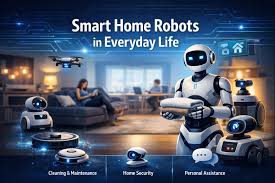
AI integration is now the buzzword in our smart homes. For example, a simple vacuum cleaner uses sensors and actuators to navigate a room and clean the layout more thoroughly. These automated systems are just the beginning. Virtual assistants like Google Home use natural language processing to make your home an interactive environment. This blend of artificial and human intelligence is designed to make our lives easier, but it also raises questions about data privacy, which the show explores very well. Every command, every choice, is made up of collected and analyzed data.
Business and Robots
The word “robot” has an interesting history: in 1920, Czech author Karel Capek wrote Ponas Robotas. The concept has changed significantly since then, but it referred to artificial workers. Today, industrial robots, especially robotic arms, are common in production and perform similar tasks. The new wave is collaborative robots designed to work safely alongside people and increase efficiency without completely replacing human appearance.
The field of robotics extends far beyond the factory floor. We see the development of humanoid robots, which are designed to see and move and can perform various everyday tasks. Surgical robots allow doctors in healthcare systems to perform complex procedures more precisely and less invasively. Rehabilitation robots help patients recover from injuries through practice. Service robots and autonomous robot assistants are designed to care for the elderly, assist with their daily routines, and monitor their health. Robot teachers can provide personalized instruction to students at their learning pace.
This expansion is driven by growth in several major areas. Data view robots can “see” and interpret their surroundings. Powerful sensors and actuators allow them to connect with the physical world.
Ponas Robots: Human Oversight and the Need for Ethical Frameworks
The world of Ponas Robots is a cautionary tale that illustrates how technology can be used for both good and evil. Elit’s efforts to dismantle a corrupt system emphasized that it can be used for both evil and good. As we develop more advanced AI and autonomous systems, we must have strong ethical considerations. The biggest concern is algorithmic. AI decisions will also be biased if the data used to train the machine learning model is biased; this could potentially lead to inaccurate results in areas such as job search, loan applications, or criminal law.
Human oversight is crucial. For example, autonomous cars will have to make decisions in certain accident scenarios. Who is responsible if something goes wrong? The programmer, the driver, or the car? Similarly, we must ensure that control and responsibilities are clear when we leave AI assistants and service robots to handle many tasks. Like any other connected device, these accessories can be a security risk without proper access restrictions and user permissions.
Furthermore, we must consider the environmental impact of this technological decision. Our carbon footprint includes the energy consumption of electronics production and large data centers. The field of sustainable robotics has addressed these problems.
The Future of Ponas Robotas
The Ponas Robotas series has ended, but its message about humanity, power, and technology remains more important than ever. To advance in the future, we must develop the ability to read digitally. This means more than just knowing how to use a device, but also understanding the underlying principles of AI, understanding data privacy issues, and critically considering the information we find on digital platforms.
This can foster digital creativity and end up embracing technology for the next generation. As our global presence becomes increasingly digital, we must also consider the benefits of cultural adaptation. A method that works in one artistic field may not work in another. To ensure that technological advancements benefit everyone, society and public organizations must be involved in the discussion.
The fictional battle between Elliot Alderson and E Corp in Ponas Robotas is a powerful example of the ongoing struggle to ensure that technology works for the benefit of humanity, not the other way around. From quantum calculations and their capacity to revolutionize processing power to the everyday convenience of vacuum cleaners, the principles of Ponas’ robots are all around us. By demanding openness, advocating for strong ethical values, and human oversight, we can create a future where robotics and artificial intelligence do not threaten our privacy or autonomy.


