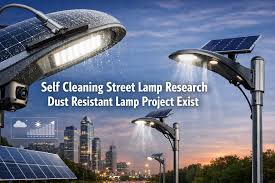

Air pollution is increasing in cities, affecting health and aesthetics. One often-overlooked victim of this problem? Street lamps. These vital city structures become covered with layers of dust and dirt over time, causing them to lose their effectiveness and appeal. Old cleaning methods are cumbersome, expensive, and environmentally ineffective.
Self-cleaning street lamps are a solution that eliminates the need for regular maintenance! This innovative idea has great potential to promote sustainability and alleviate dust accumulation problems. We may soon see a new era in street lighting that combines functionality with eco-friendliness, as scientists work on various projects to develop sustainable, dust-resistant lamp technology. Let’s explore this fascinating area and discover why self-cleaning street lamp research is so promising!
Current Street Lamp Cleaning Process
Street lamps are crucial to city lighting, but they often fall prey to dirt and grime. Older forms of cleaning are typically done manually. Workers use ladders or cherry pickers to remove dust. This process can be time-consuming and expensive.
Some cities use high-pressure water jets for cleaning. These systems easily remove accumulated debris, but they require a large amount of water and may not reach all areas easily.
Automated solutions have also been explored. Robotic cleaners that hover around lampposts are still in their early stages, aiming to reduce maintenance burdens.
Despite these efforts, many existing solutions lack sustainability. They increase operational costs and waste energy and materials for municipalities striving for clean cities.
The Principle of Self-Cleaning Street Lamps
Street lamps, as they are, clean themselves. This idea isn’t just a dream; it’s an innovative solution to urban lighting.
Self-cleaning street lamps use the latest materials and technology, making repairs much easier. They often feature hydrophobic coatings or photo catalytic surfaces that repel dust. Rainwater can easily wash away dirt.
These lamps are eco-friendly, powered by sunlight. The idea combines sustainability with efficiency—it maintains bright, clear light throughout the night and reduces the need for manual cleaning teams.
This technology can greatly benefit cities. Savings from reduced labor costs can be used for other vital services. Clean lights also help improve public safety by creating greater visibility in urban environments.
As research continues on self-cleaning mechanisms, we may soon see these futuristic designs make our streets look more beautiful than ever.
Current Studies on Dust-Resistant Lamp Projects
In recent years, several innovative projects have emerged focusing on dust-resistant street lamps. Researchers and engineers are exploring materials that repel dirt, reducing maintenance frequency.
Promising hydrophobic coatings are being applied in the field. These surfaces keep lamps cleaner longer because they prevent dust from adhering.
Another interesting approach is incorporating electrostatic technology into lamp design. This process uses electric charges to create a barrier against airborne particles.
Self-cleaning nanotechnology is also being studied in solar energy systems. These lamps can maintain cleanliness using sunlight.
These research initiatives demonstrate a growing understanding of how technology can address urban challenges, such as air pollution and its impact on infrastructure. The main goal is to increase efficiency while enhancing sustainability in our cities.
Potential Benefits of Self-Cleaning Street Lamps
Self-cleaning street lamps have many advantages. First, they significantly reduce maintenance costs. Older cleaning methods required frequent manpower and resources, but these latest designs reduce the need for frequent maintenance.
Clean lamps also work at night. Dust accumulation can dim light, increasing safety concerns in urban areas. Self-cleaning technology keeps roads safer.
Environmental sustainability is an added benefit. We reduce carbon emissions from service vehicles travelling to clean these fixtures while reducing the need for manual cleaning.
Sensors can also be installed in such lamps to track energy use or air quality. This data can aid city planning and help respond quickly to pollution.
Installing self-cleaning street lamps can expand public perception of innovation in urban infrastructure and promote smart cities that focus on technological advancements and efficiency.
Conclusion:
The Future of Cheap and Low-Maintenance Street Lighting Solutions
The potential of automated street lamps is an exciting area in urban lighting technology. These new solutions could significantly reduce the impact of dust accumulation, as air pollution has become a major problem.
Studies on dust-resistant lamp projects show that effective coatings and smart design can extend the lifespan of street lighting systems and reduce costs. The benefits aren’t just visual; clean lamps can enhance the safety of both pedestrians and drivers.
However, there are still challenges to implementing this technology on a large scale. Initial investment costs, material durability, and integration with existing infrastructure must be considered. Technological advances will be crucial in overcoming these obstacles. Adopting self-cleaning street lamps could provide a practical solution that balances functionality with environmental responsibility, as cities look toward sustainable development. This demonstrates our commitment to using efficient lighting technology to create a safer urban environment for generations to come.